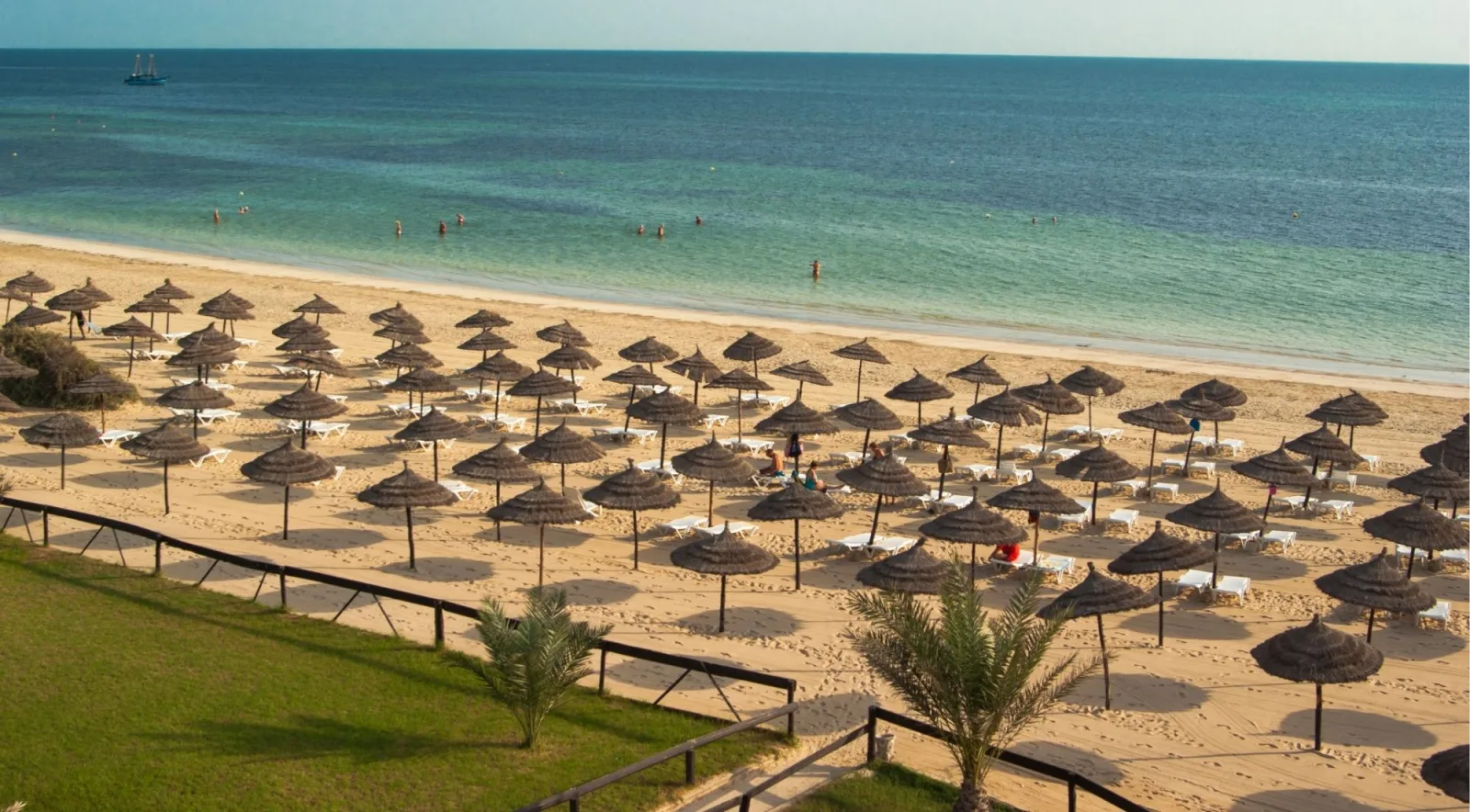
Djerba is the easiest place in Tunisia to reach the Sahara from, and the reason is a
piece of Roman engineering. The island is joined to the mainland by a causeway at El
Kantara — a few kilometres of raised road laid at the end of the second century, still
carrying the only road link there is. Cross it before seven in the morning and you can be
swimming in a spring-fed pool at the edge of the sand sea by lunchtime, and back at your
hotel the same night.
That is the whole proposition, and it is a genuine one. It is also the thing most first
visitors misjudge, because “desert tour from Djerba” covers two very different days. One
of them goes south-west onto the sand. The other stays on the stone.
The two directions out of the island
Everything on this site leaves by the same causeway and then makes a choice.
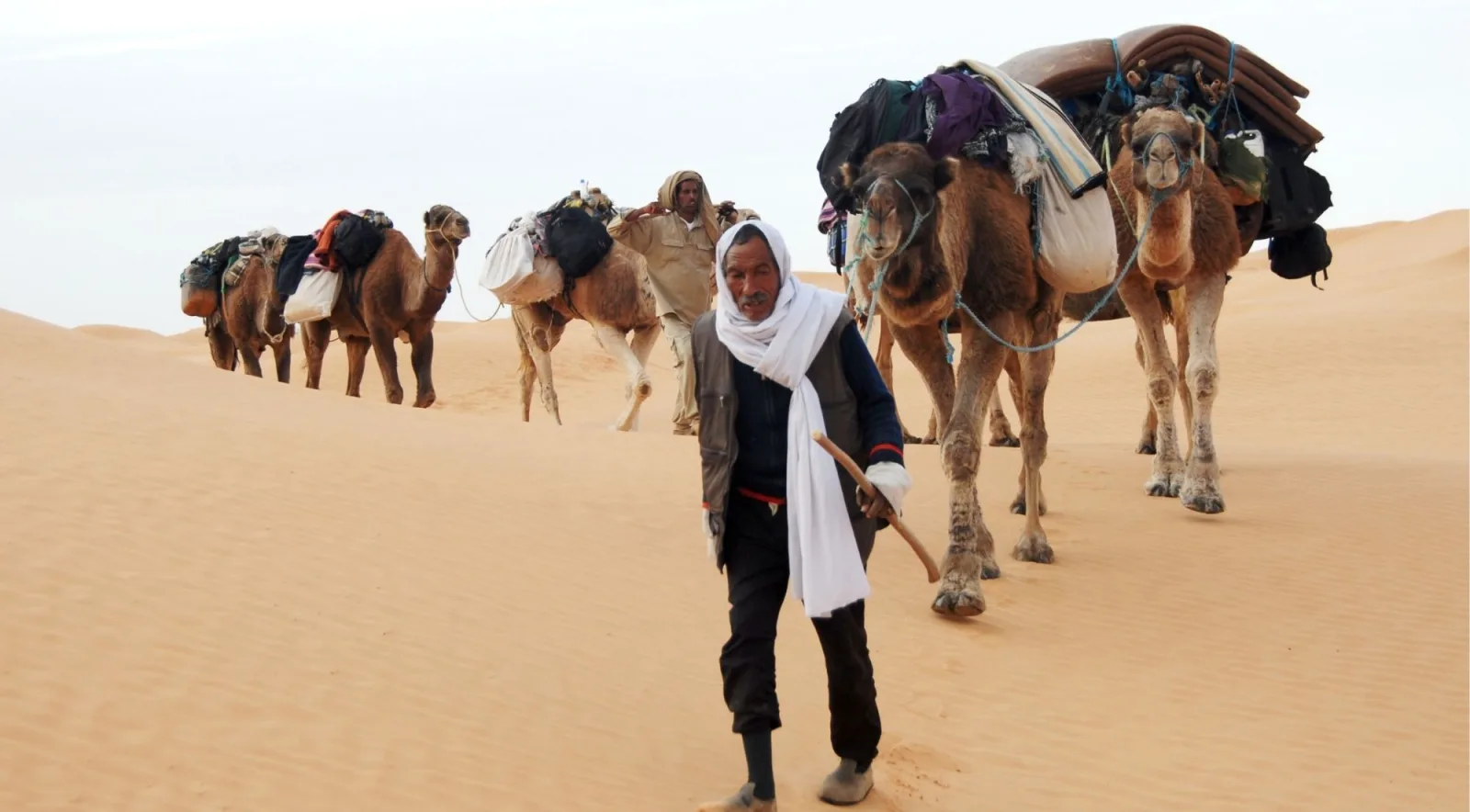
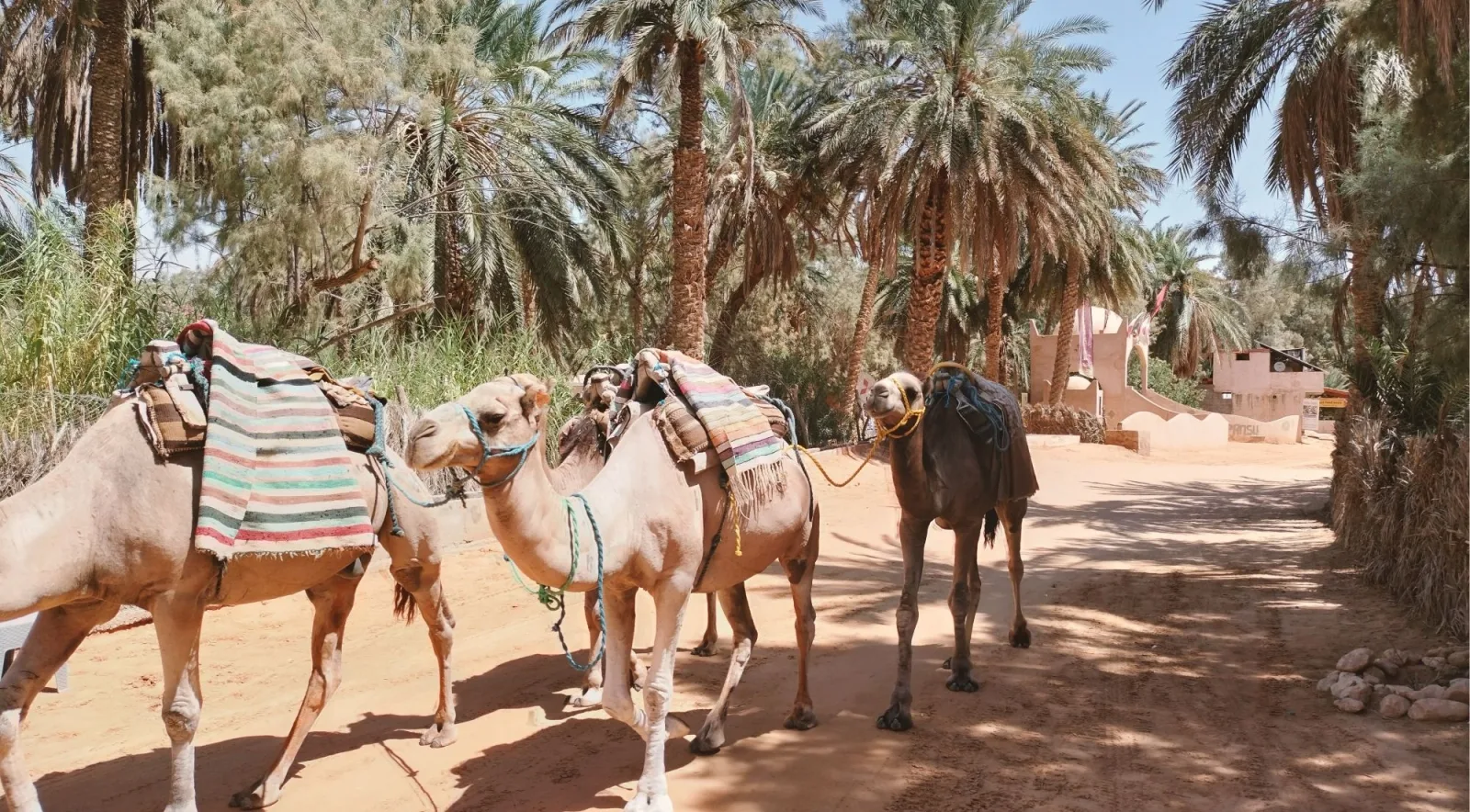
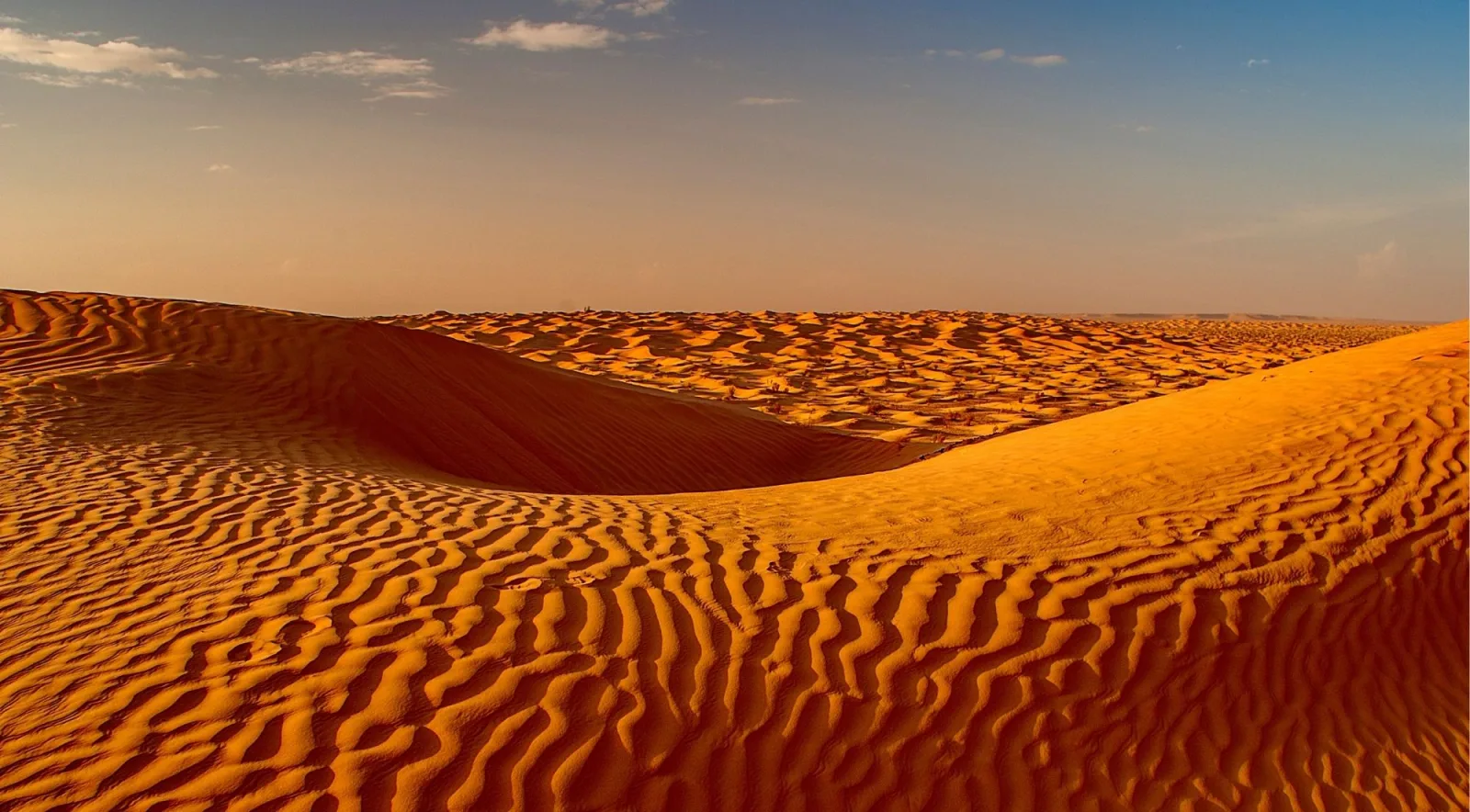
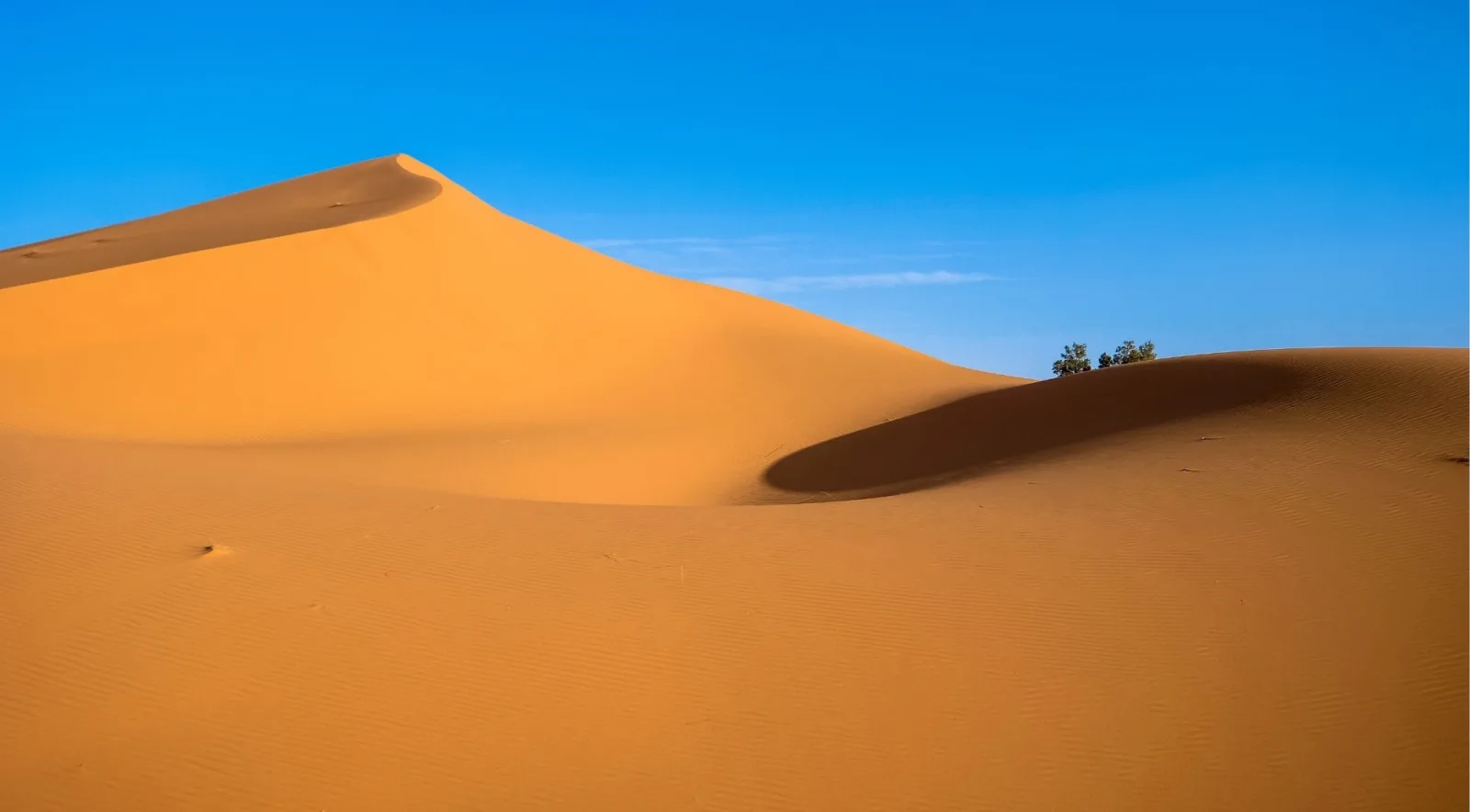
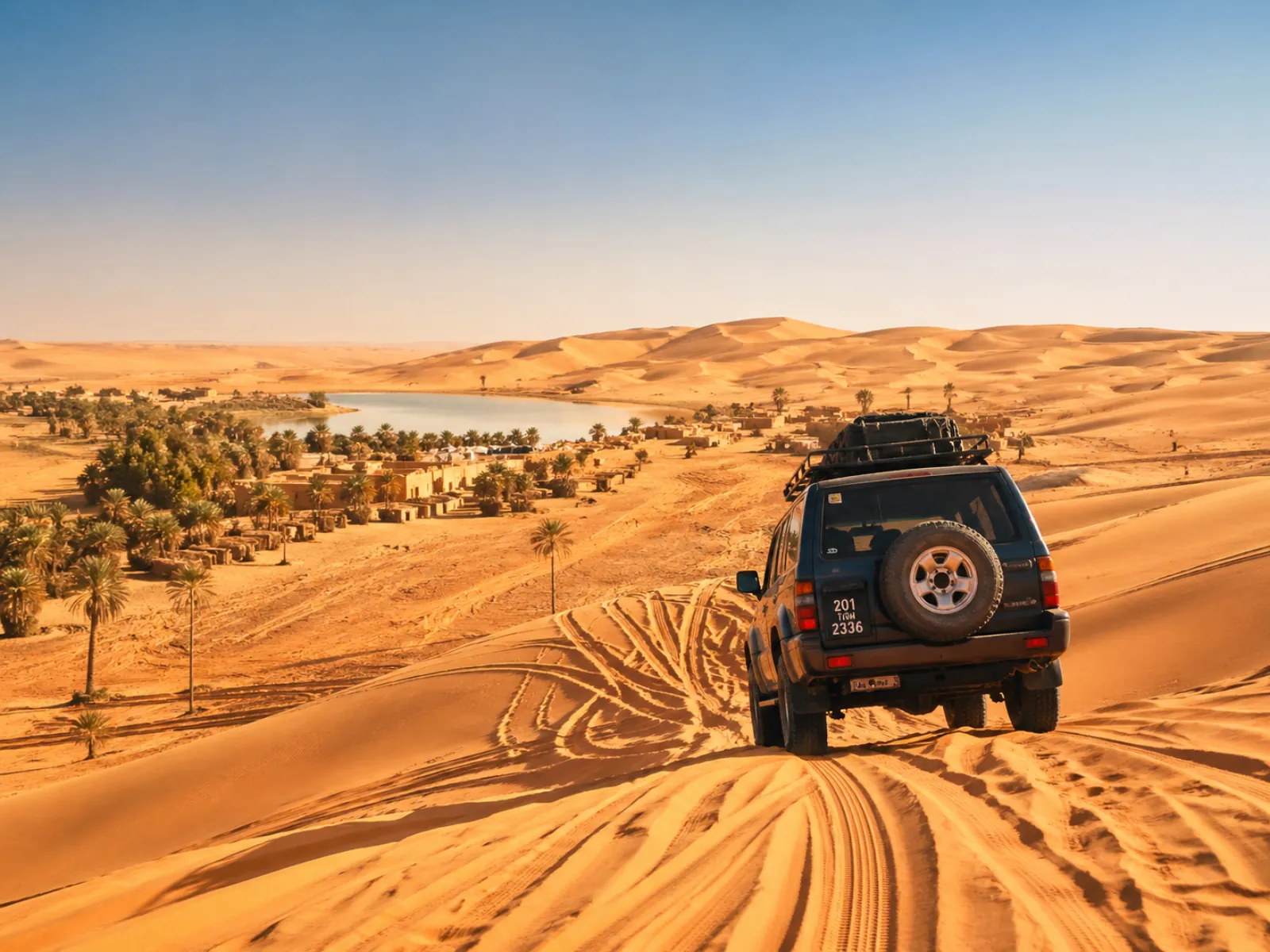
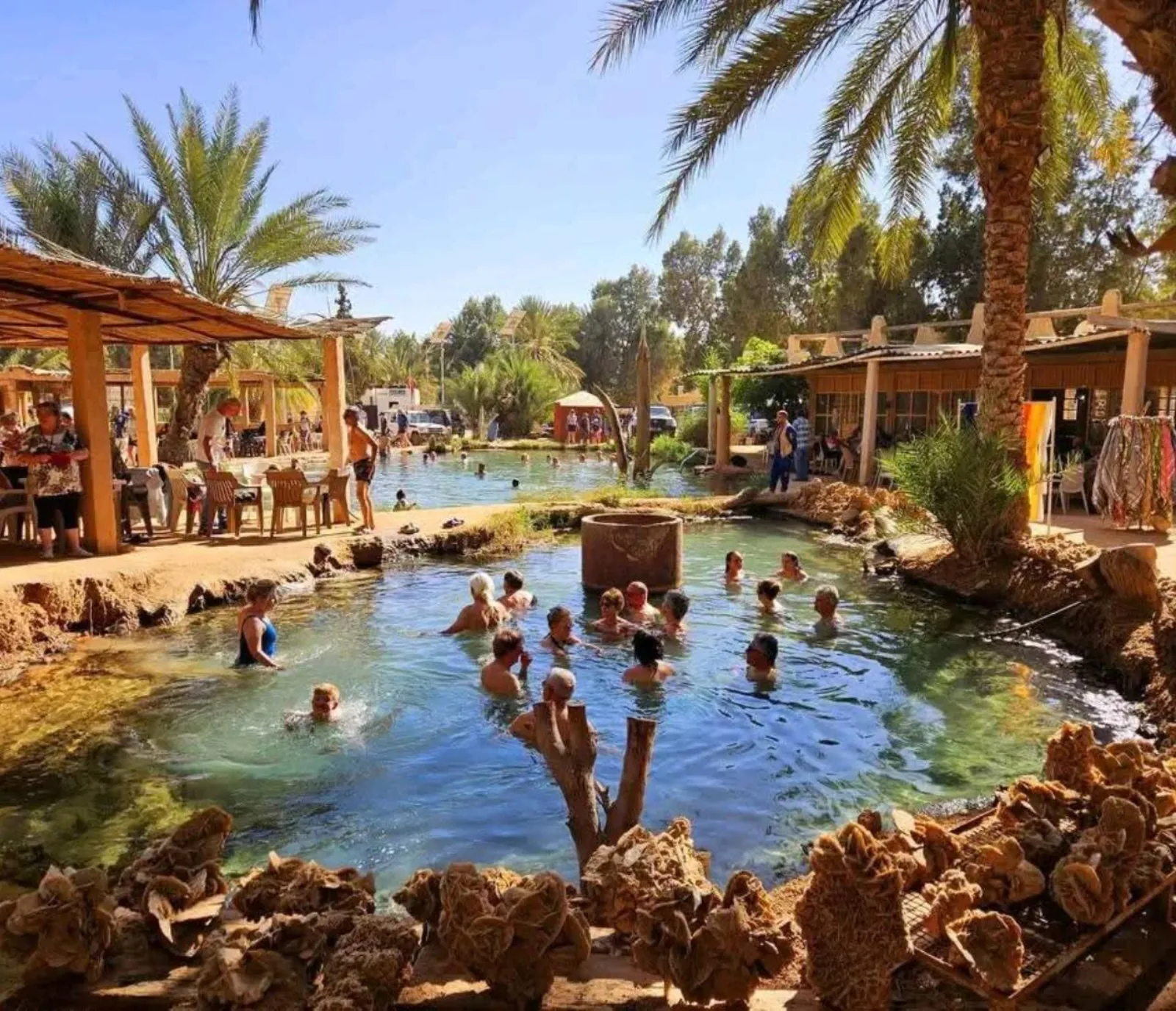
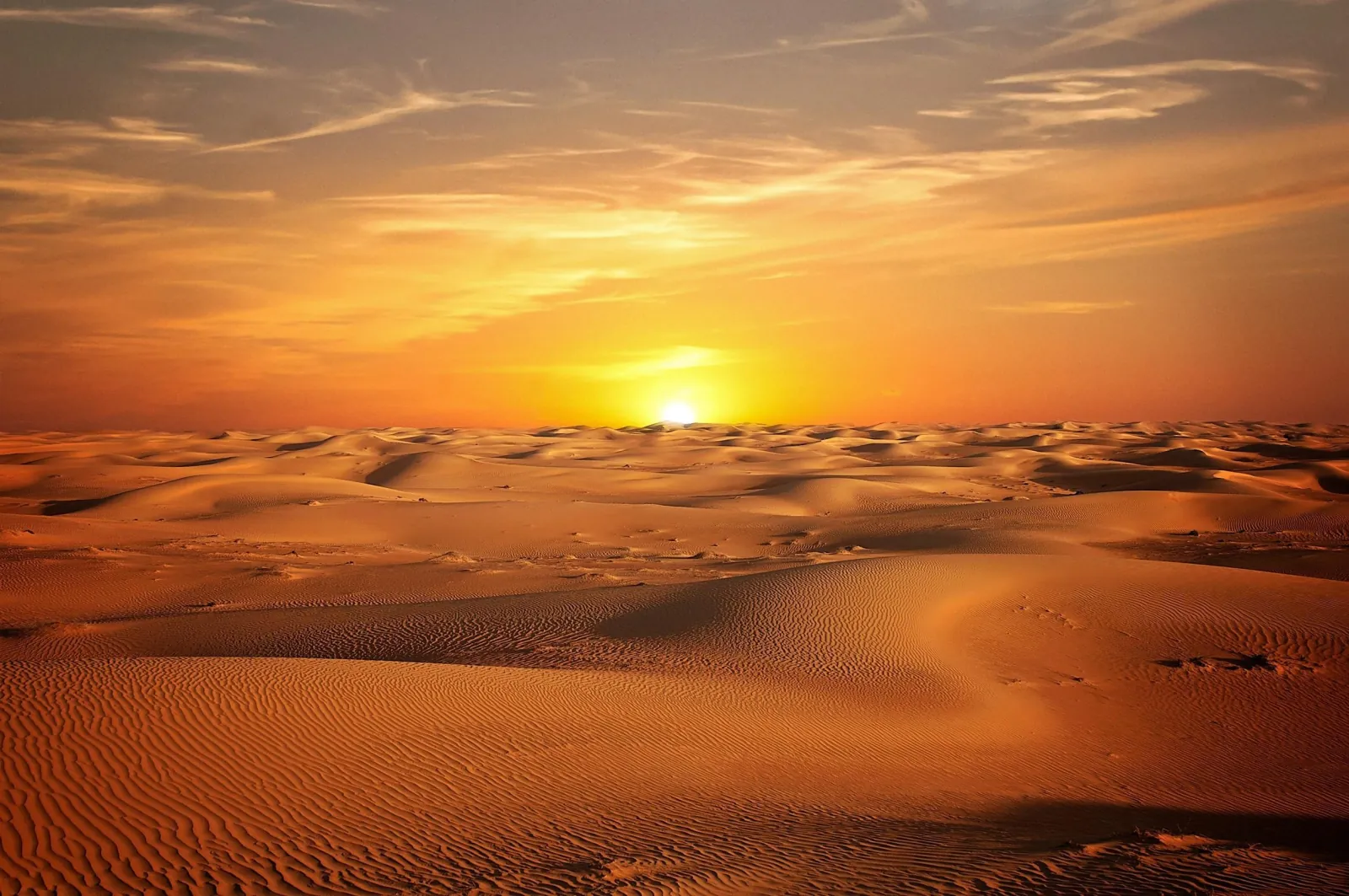
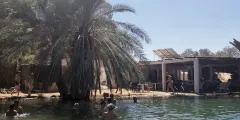
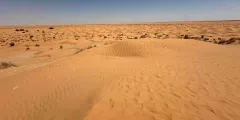
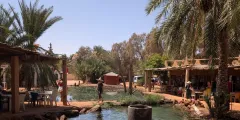
South-west, to the sand. This is the Ksar Ghilane line. Ksar Ghilane is the most
southerly of the Tunisian oases and sits on the eastern edge of the Grand Erg Oriental —
palms, a warm spring you can swim in, dunes on three sides, and the Roman frontier fort
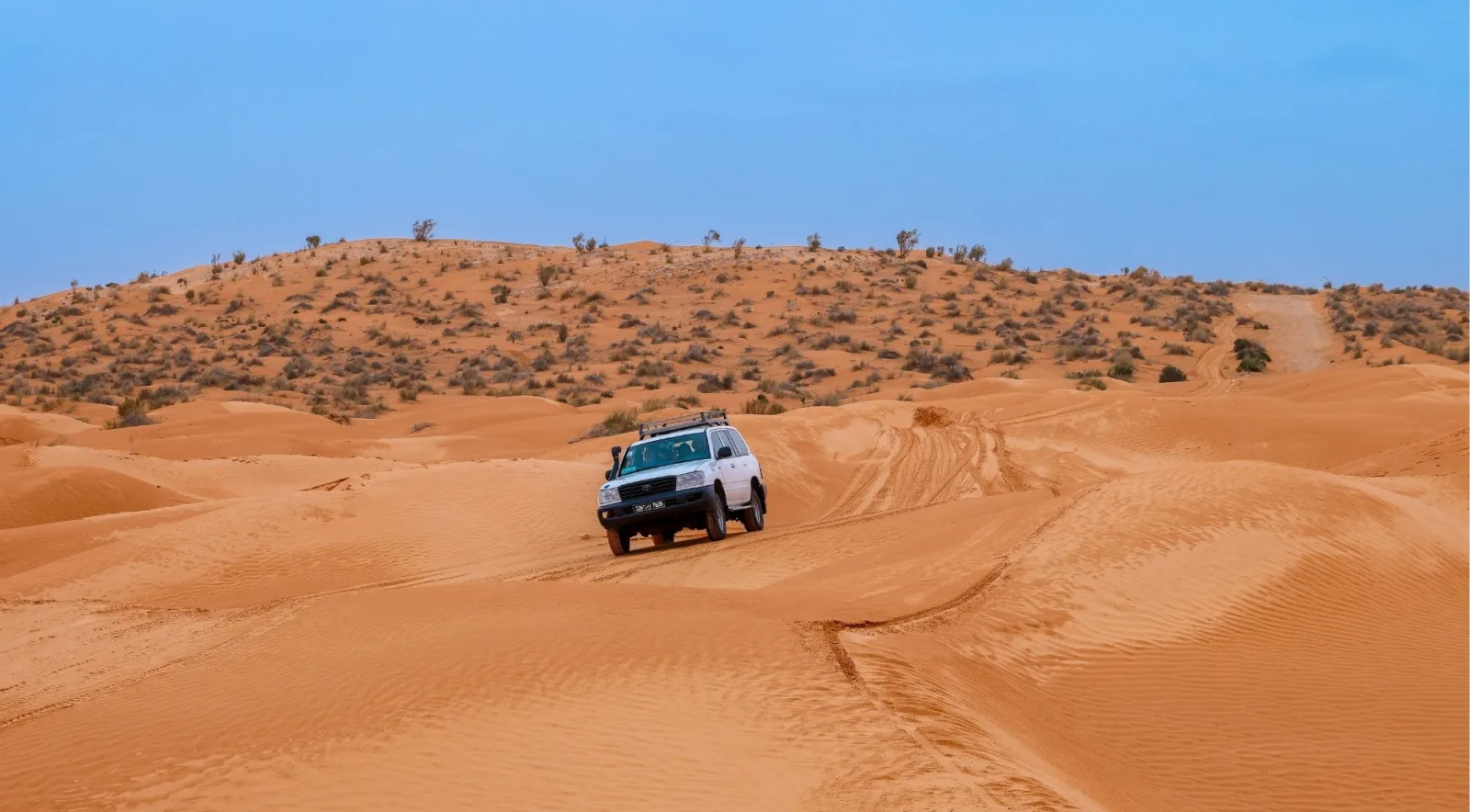
of Tisavar half-buried under a kilometre away. The last stretch of the approach from the
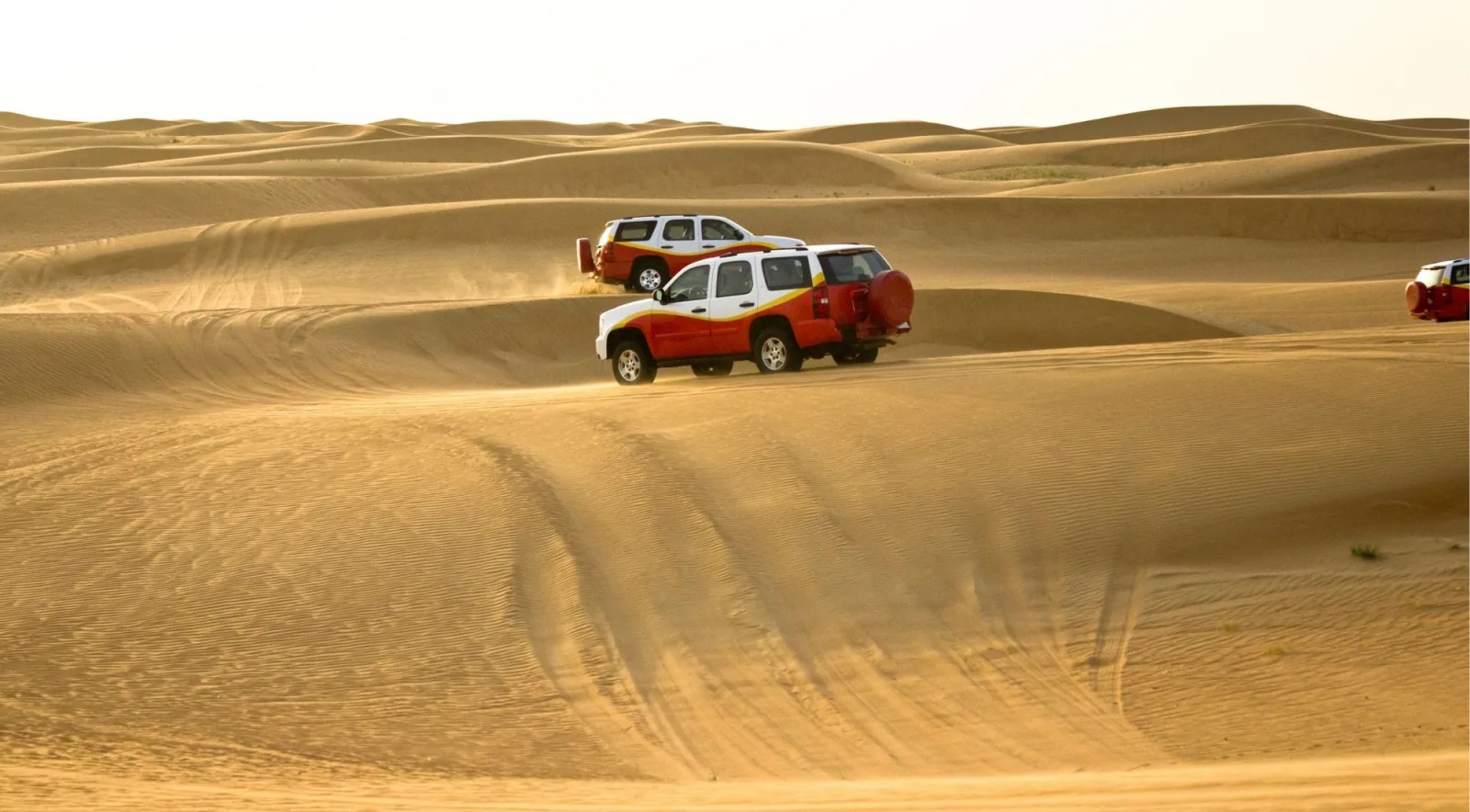
Dahar side is a desert track, not a road, which is why every tour that reaches the oasis
runs in a 4x4 and why no coach gets there. Reckon on four hours each way.
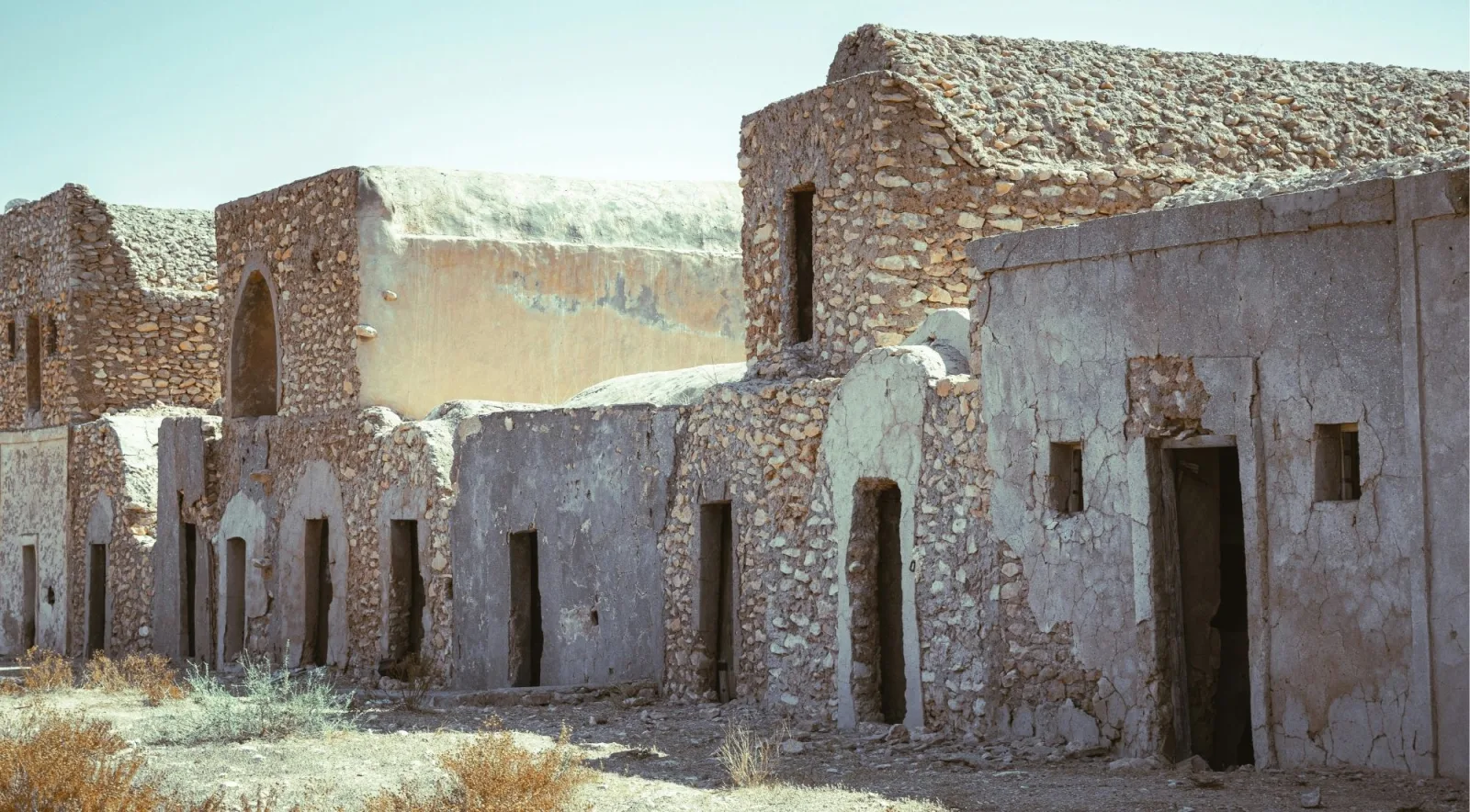
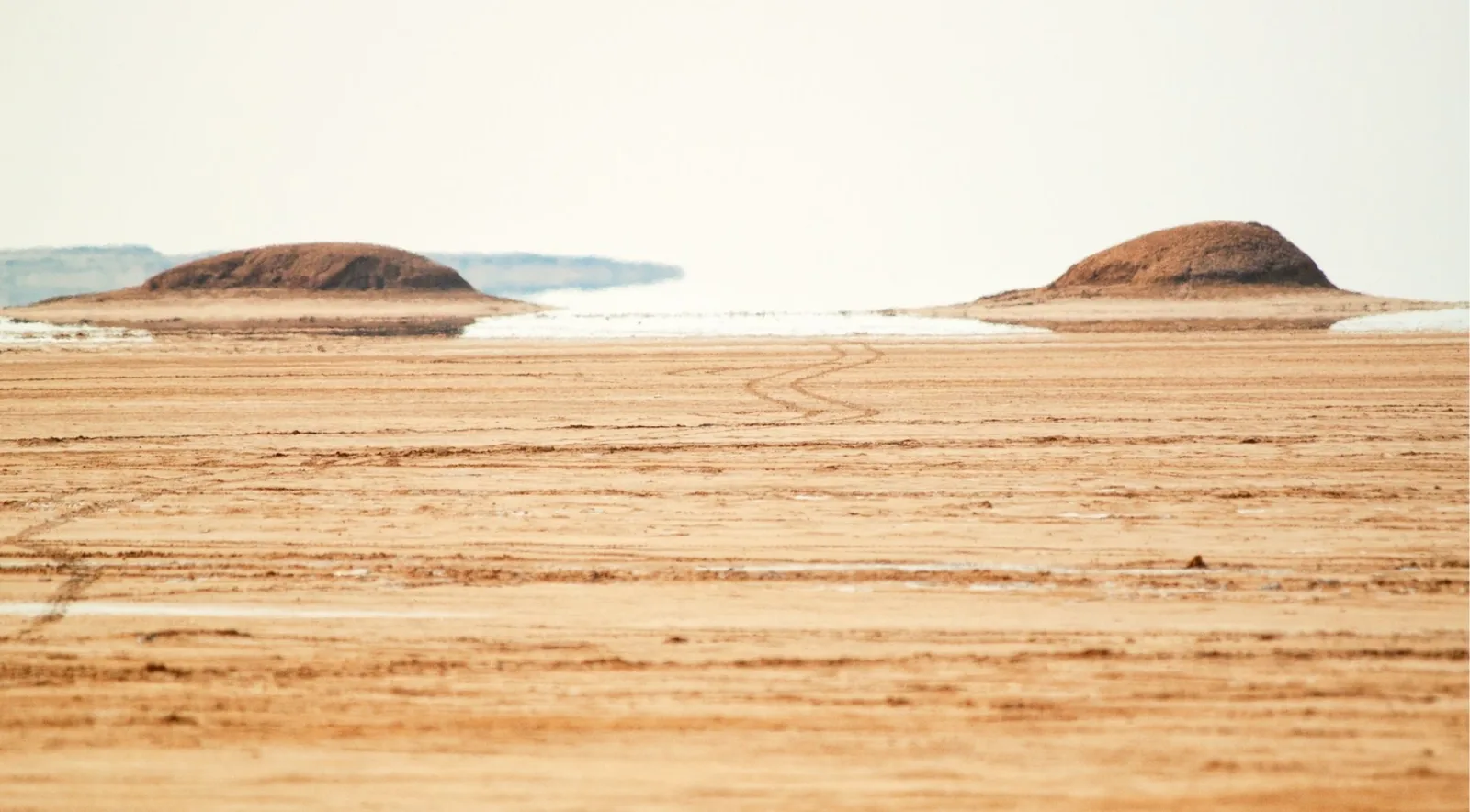
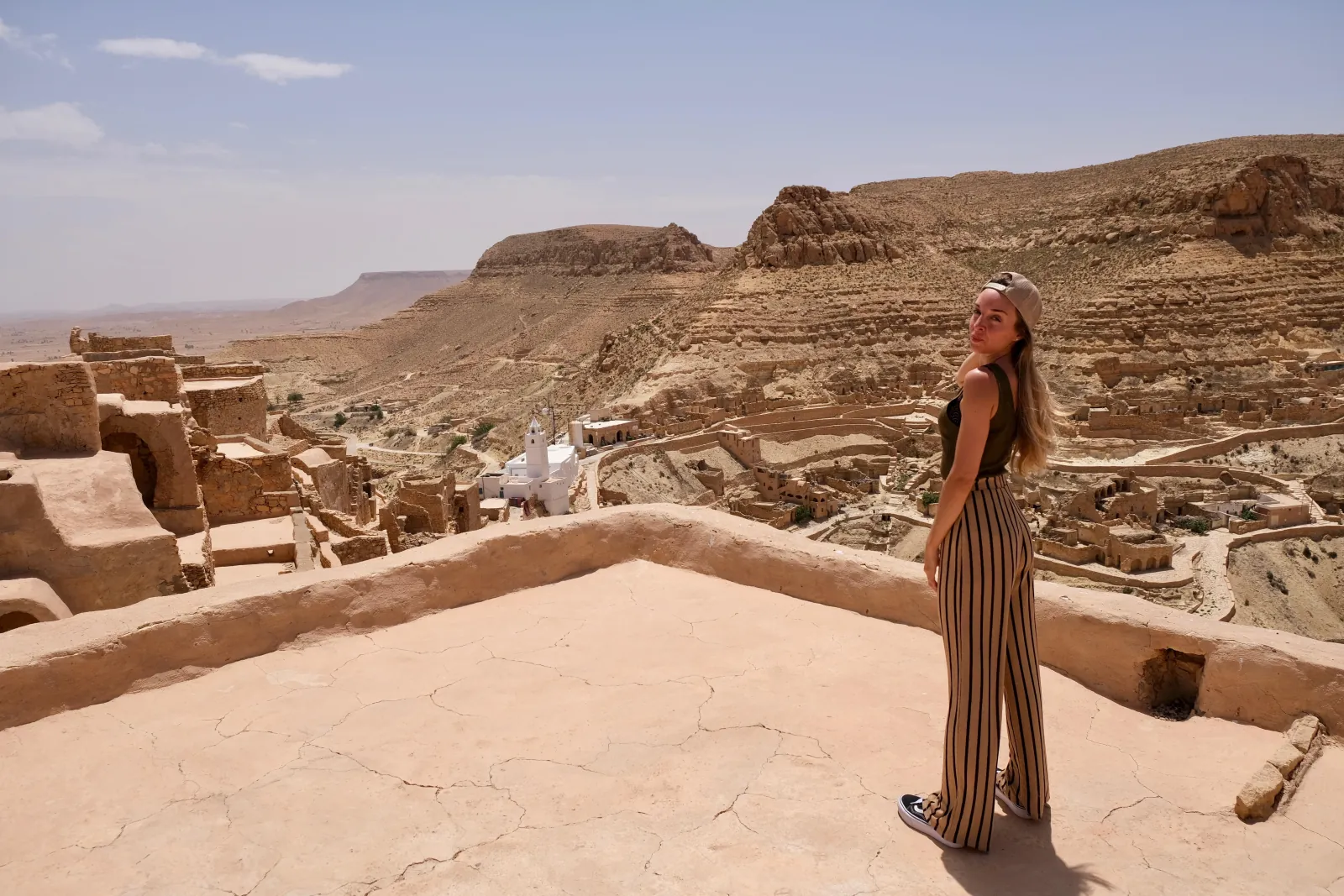
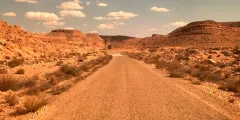
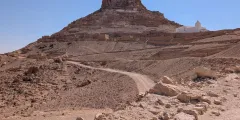
South-east, to the stone. This is the Tataouine and Chenini line, and it is the
country of the ksour — fortified granaries whose cells stack four storeys around a
courtyard — and of Berber villages built in tiers up ridges. It is shorter, cheaper and
much less punishing, and it has no dunes in it at all. If someone tells you a Djerba
“desert tour” was mostly rocks, this is the tour they took, and it was not mis-sold: the
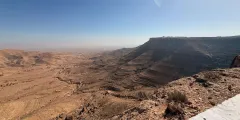
Dahar is desert. It is just not sand.
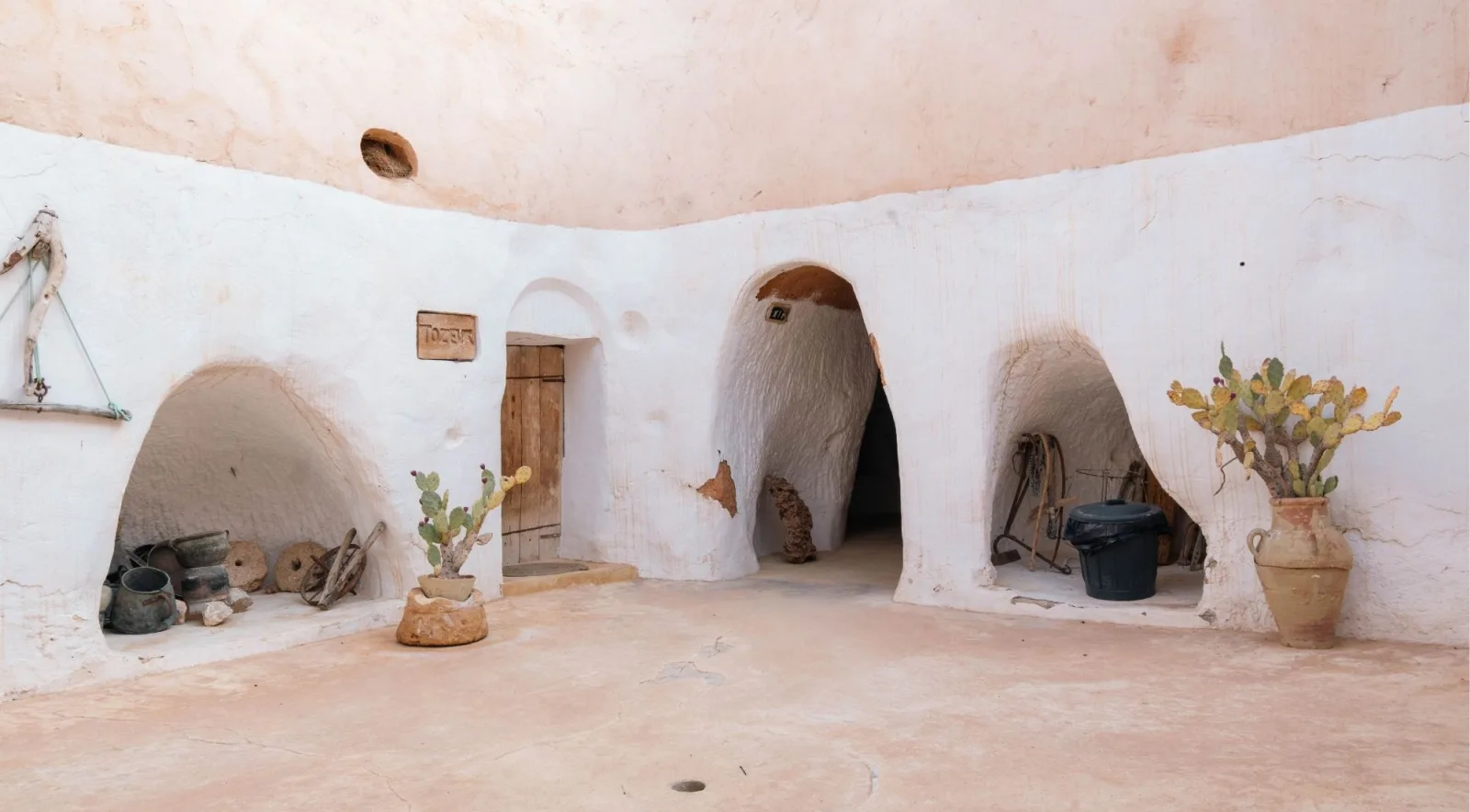
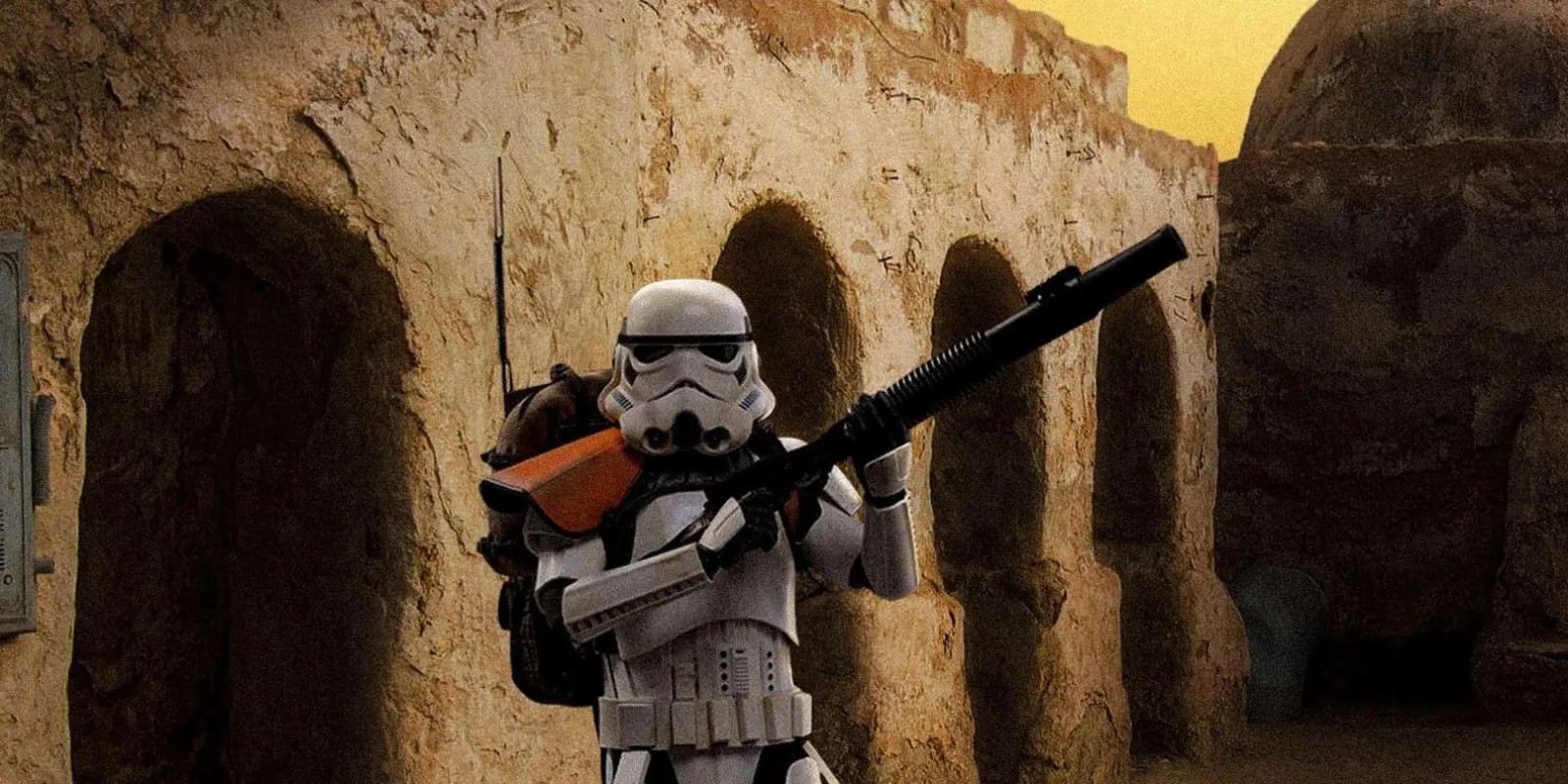
Matmata sits between the two. The village is famous for pit dwellings dug down into
the ground with rooms cut sideways off them, and for the Sidi Driss hotel, which was
dressed as the interior of the Lars homestead for A New Hope. Some Ksar Ghilane routes
take it in; some Tataouine routes do; a few tours make it the point of the day.
What the hours actually look like
A day trip out of Djerba is ten to eleven hours door to door and roughly half of that is
in a vehicle. Pickups start around six in the morning — seven for the Tataouine runs, and
they are the gentler option partly for that reason.
Nobody enjoys reading that, so it is worth being precise about where the driving goes.
The causeway and the run to Medenine take the first ninety minutes. Then there is a
coffee stop, the climb onto the Dahar, and two or three halts at ksour or villages that
run twenty to thirty-five minutes each. The long single stop — three hours at Ksar
Ghilane on the most-reviewed itinerary — is the afternoon. The drive home is unbroken.
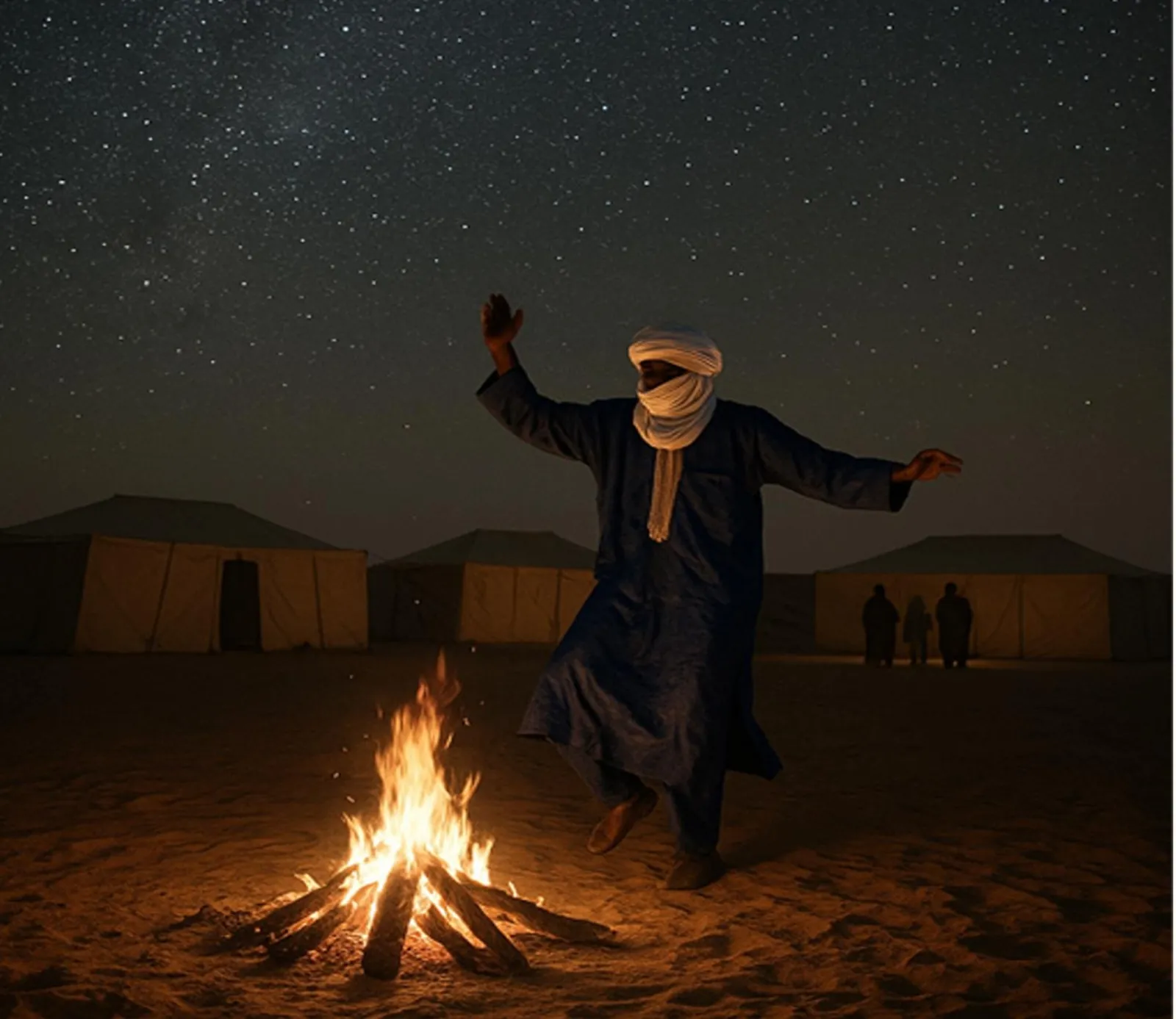
The overnight versions break that pattern in the only way that helps: they stop driving
when the light gets good. The
sunset-and-sunrise tour
picks up at 11am instead of dawn, which means the road is covered at the flat hours and
you are on the sand for the ones worth being there for.
Why the two-day tours are cheap here
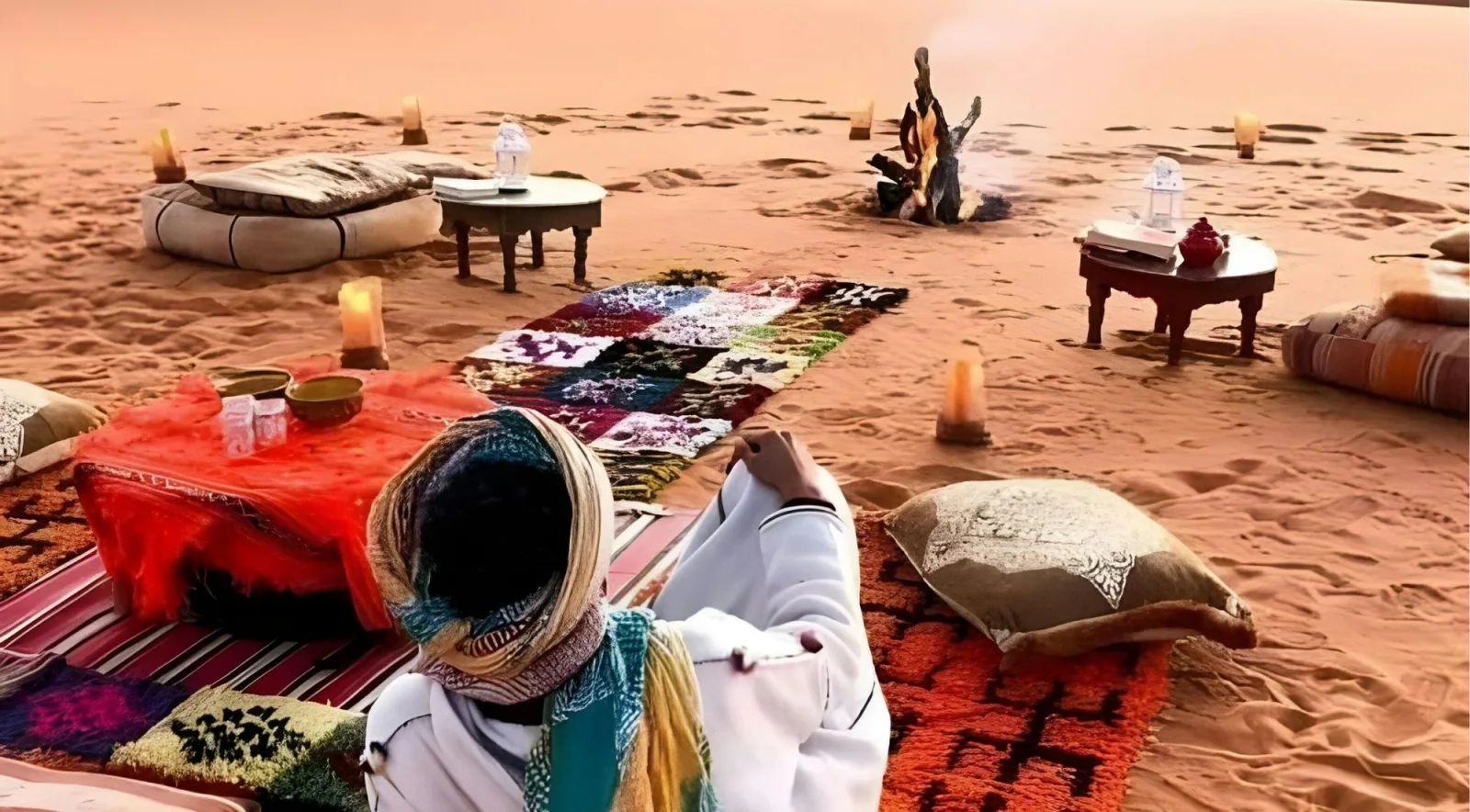
The two-day 4x4 with a camp night
starts at $48, which is less than several of the day trips on this page and less than
half what the same shape of tour costs from the northern resorts. That is not a quality
signal. A two-day Sahara tour sold in Hammamet or Sousse spends most of its first day on
a motorway getting to where Djerba already is, and you pay for those kilometres. From the
island the sand is a morning away, and the saving lands in the price.
If a night in the desert is on your list at all, this is the cheapest place in Tunisia to
buy one.
Where the film sets fit
Tataouine gave the planet Tatooine its name, and the region around it was shot for both
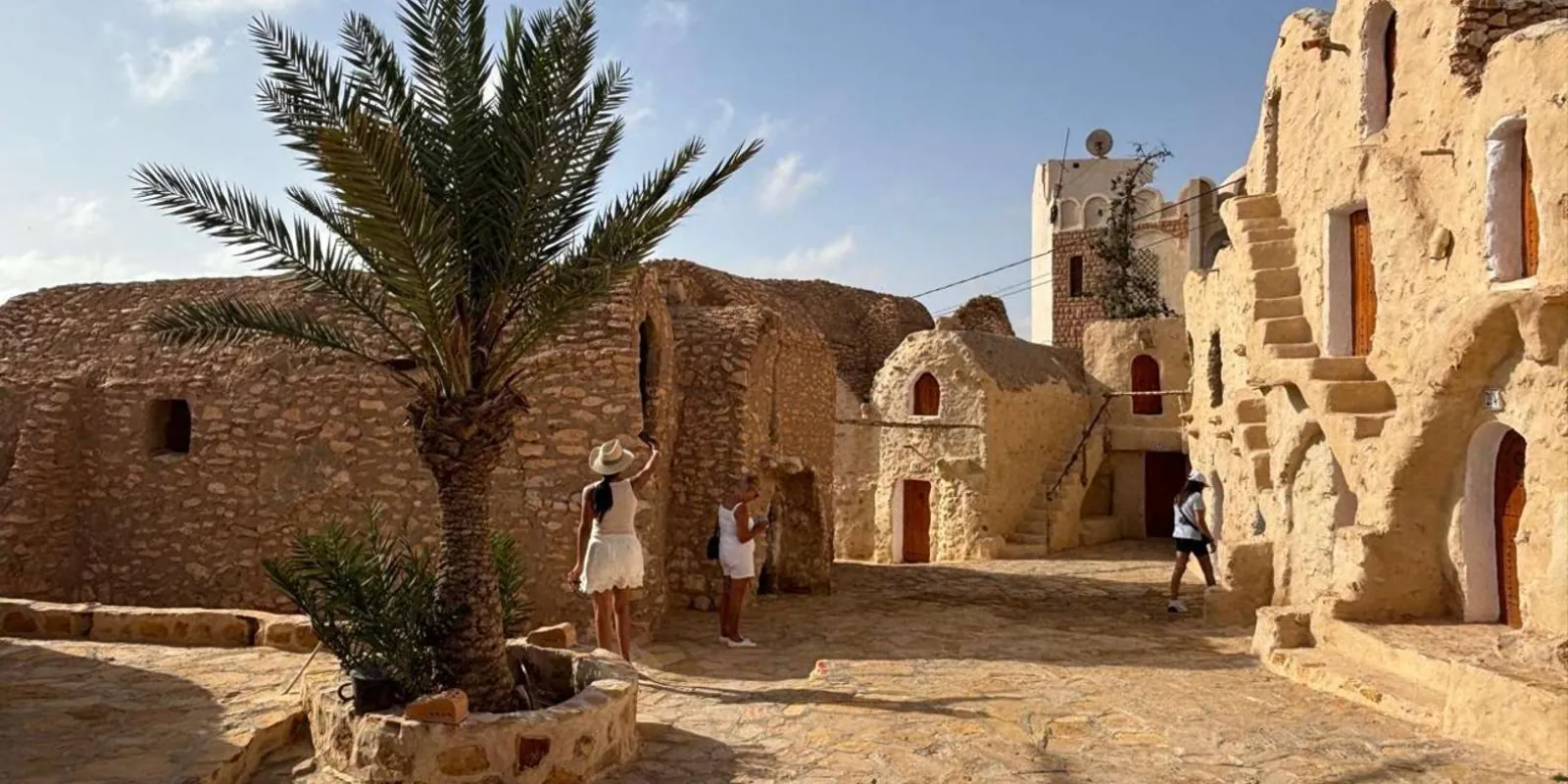
the original trilogy and the prequels. Two locations near Djerba are solid: Ksar
Hadada, the mud-brick granary that played the Mos Espa slave quarters in The Phantom
Menace, and the Sidi Driss hotel at Matmata, the Lars homestead interior from A New
Hope — struck after the 1977 shoot and rebuilt in 2000 for Attack of the Clones, which is
why it still looks like the film.
Ksar Ouled Soltane is listed as a location almost everywhere, including by several
operators here. That attribution is disputed and the fan record leans against it. It is
still the most complete ksar in the south and worth the stop, which is a different claim.
The filming-locations guide sets out
what is confirmed, what is disputed, and what is 300km away and not a day trip from this
island at all.
Choosing between them
If you only do one thing: the
most-reviewed tour on this site
is a $69 4x4 day to Ksar Ghilane by way of Ksar Hadada and Guermassa, rated 4.8 out of 5
by 1,671 guests. It gives the oasis three hours, which is unusual, and it is the safest
booking on the page precisely because it has been run so many times.
If you dislike rough driving, take the surfaced-road
Tataouine and Chenini day instead. If you want Matmata
properly rather than as a comfort break, take a
jeep route built around it. If you have a spare night, spend it in
a tent. The decision guide works
through the trade-offs one at a time.
Travelling on to the mainland resorts afterwards? Departures from Hammamet, Sousse, Tunis
and Tozeur are a different set of itineraries entirely, and our sister site
Tunisia Sahara Tours covers those.